Energy Management Solutions
Turn energy data into measurable savings, reliable operations, and sustainability intelligence.
Energy cost, demand penalties, inefficient utilities, poor power factor, and fragmented metering data directly impact operational profitability. TAS delivers integrated energy management solutions that connect meters, substations, renewable assets, DG sets, utilities, and plant systems into a unified monitoring, analytics, reporting, and decision-support environment.
Demand Management
Power Quality
Renewable Integration
Microgrid Data Management
Utility Optimization
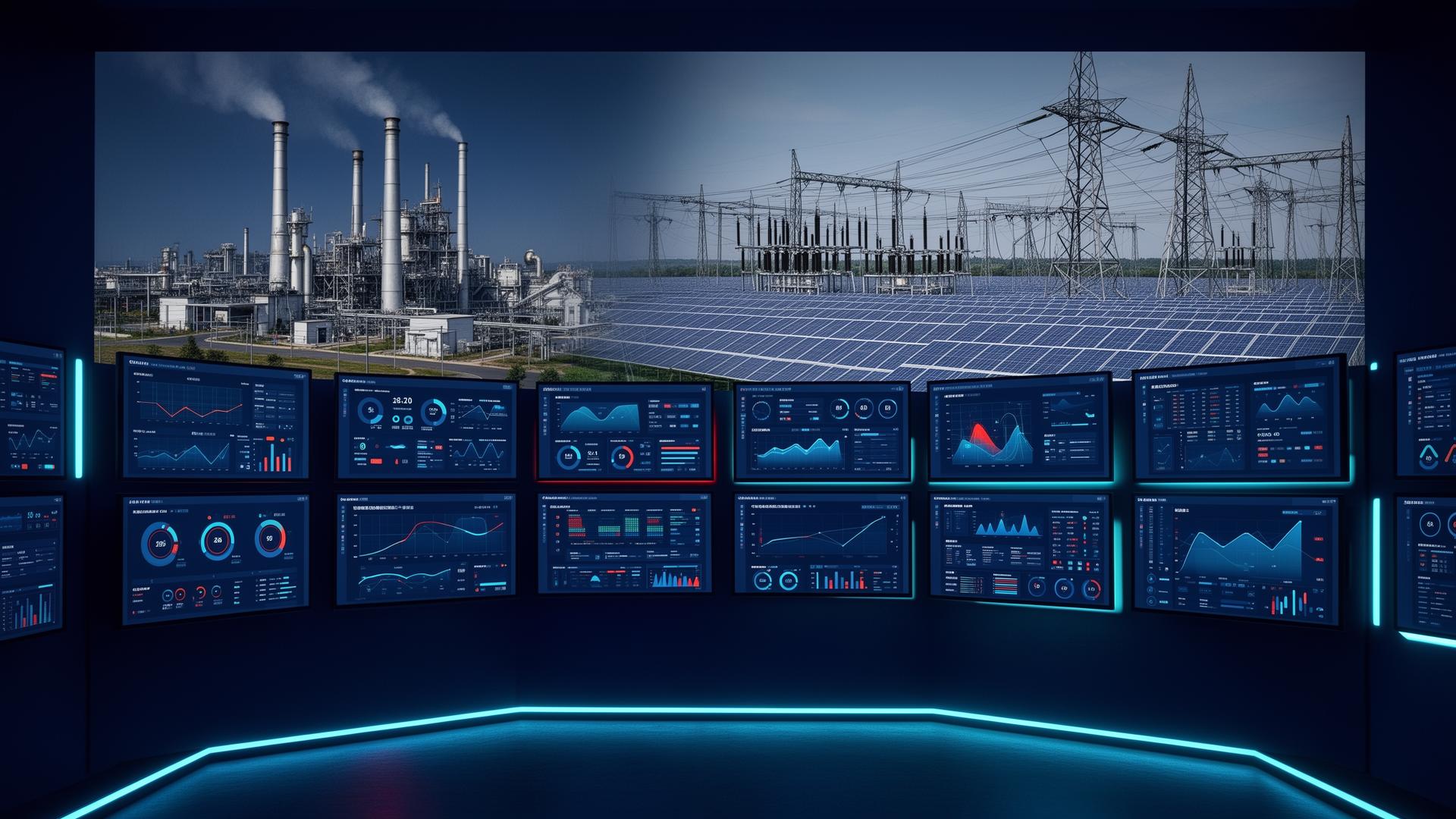
Energy Is No Longer Just a Utility Cost — It Is an Operational KPI
Most facilities have meters, power analyzers, DG systems, solar inverters, HVAC equipment, compressors, and utility systems already generating data. The real problem is that this data is often isolated, manually reported, or available only after the cost impact has already happened.
Scattered Meter Data
Multiple meters, panels, substations, and departments without a unified energy view.
Peak Demand Penalties
Limited demand forecasting and delayed action during high-load conditions.
Poor Utility Visibility
Chillers, compressors, pumps, HVAC, DG, and process utilities consume energy without clear efficiency tracking.
Manual Reporting
Energy reports prepared in Excel without real-time validation or exception alerts.
Renewable Integration Gaps
Solar, wind, battery, grid, and DG data not monitored as one operational ecosystem.
Weak Accountability
No clear department-wise, asset-wise, batch-wise, or production-linked energy allocation.
From Meter-Level Visibility to Enterprise-Level Energy Intelligence
TAS brings together automation engineering, edge connectivity, industrial software, analytics, and reporting to deliver a practical energy management architecture. The solution can be deployed on-premises, cloud, or hybrid depending on customer requirements.
Connect
Energy meters, power analyzers, substations, PLCs, RTUs, solar inverters, DG sets, HVAC, compressors, water systems, and utility equipment.
Normalize
Convert multi-protocol field data into clean, structured, timestamped, validated operational data.
Monitor
Real-time dashboards for energy consumption, demand, power factor, feeder health, load patterns, and alarms.
Analyze
Detect abnormal consumption, demand spikes, equipment inefficiency, power quality issues, and cost leakages.
Act
Alerts, workflow, maintenance actions, load-shedding support, reporting, and management decision support.
Optimize
Continuous improvement through benchmarking, trend analysis, energy KPIs, and sustainability reporting.
Core Capabilities
Engineered building blocks that span field connectivity, real-time visualization, analytics, and reporting — assembled to fit the project, not the other way around.
Energy Data Acquisition
Connect energy meters, multifunction meters, power analyzers, PLCs, RTUs, inverters, DG controllers, and substation devices through Modbus, IEC 61850, IEC 104, MQTT, OPC, Ethernet/IP, BACnet, wireless, and custom integrations.
Real-Time Energy Dashboard
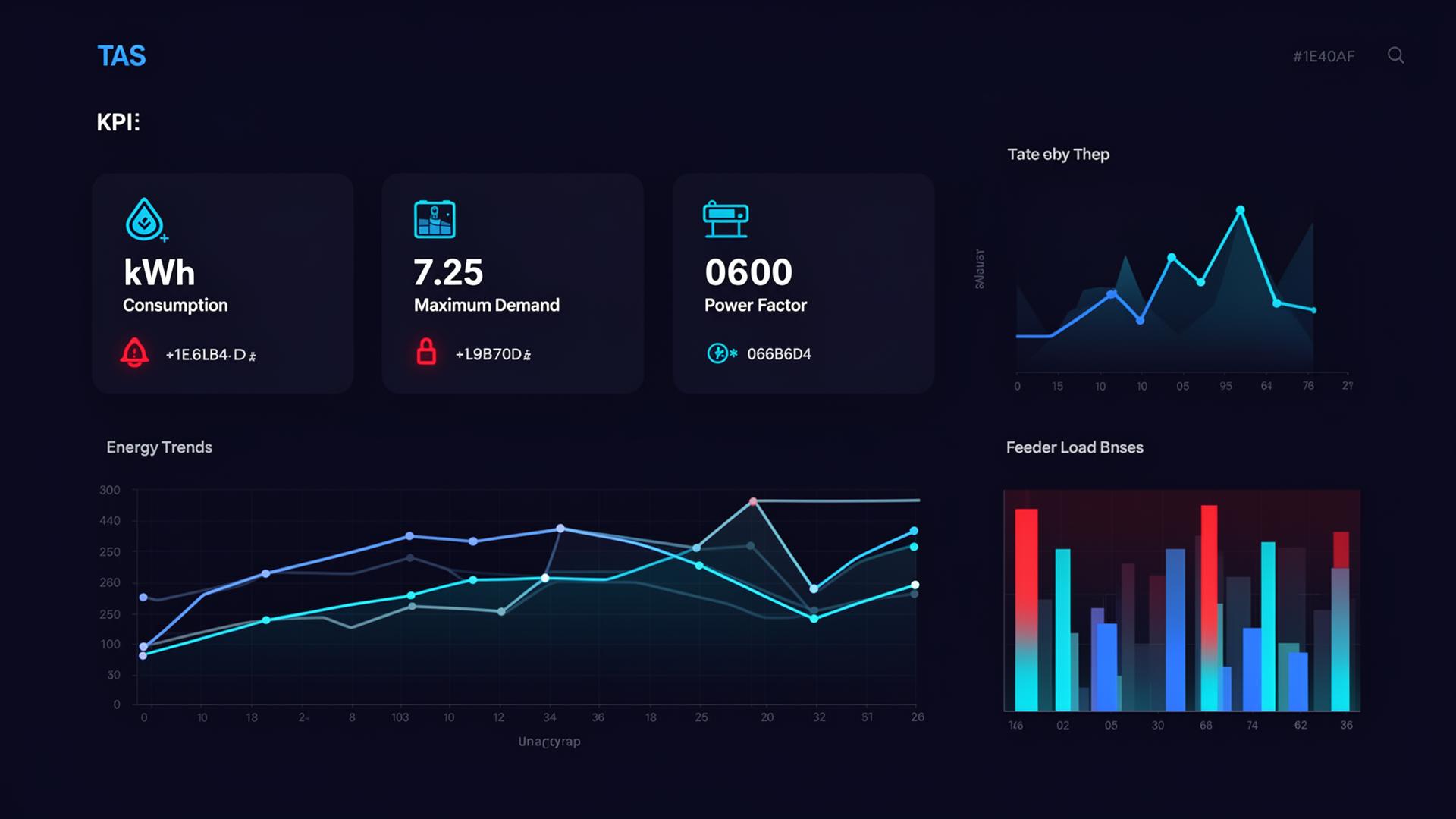
Live visibility of kWh, kVA, kVAR, voltage, current, frequency, power factor, demand, feeder status, source status, and equipment-level consumption.
Demand Monitoring & Peak Control
Track demand trend, demand forecast, TOD usage, peak events, threshold violations, and actionable alerts to avoid penalties.
Power Quality Monitoring
Monitor voltage imbalance, low/high voltage, harmonic indicators, frequency deviation, power factor issues, and feeder-level abnormalities.
Renewable Energy Monitoring
Monitor solar, wind, inverter output, irradiance, generation trend, availability, PR, grid export/import, and site performance.
Hybrid Microgrid Data Management
Integrate utility grid, solar, wind, DG, battery storage, critical loads, shed-able loads, and control room dashboards into one visibility layer.
Utility Optimization
Analyze major energy consumers such as compressors, chillers, HVAC systems, pumps, blowers, cooling towers, DG sets, and process utilities.
Energy Cost Allocation
Department-wise, line-wise, asset-wise, tenant-wise, and production-linked energy allocation for accountability and billing.
Reporting & Compliance
Automated daily, monthly, exception, management, sustainability, and audit-ready energy reports.
Alerts, Workflow & Maintenance
Energy exceptions can generate alerts, maintenance tickets, operator actions, and escalation workflows.
KPIs That Matter to Plant and Business Teams
A focused set of operational and financial indicators — configurable per site, per source, per department, and per asset.
Where TAS Energy Solutions Are Applied
From single-plant dashboards to multi-site enterprise rollouts and hybrid renewable operations.
Industrial Energy Management
For manufacturing plants, process plants, assembly lines, utilities, and energy-intensive operations.
Commercial & Campus Energy Management
For buildings, townships, IT parks, campuses, malls, hospitals, and mixed-use infrastructure.
Renewable Energy Monitoring
For solar plants, wind sites, hybrid renewable installations, inverter monitoring, generation reporting, and SLDC / grid integration support.
Data Centre Energy Visibility
For power chain monitoring, UPS, DG, HVAC, CRAH/CRAC, PUE-related visibility, and operational energy analytics.
Microgrid & Distributed Energy
For facilities using grid, solar, wind, DG, battery storage, and critical / shed-able load management.
Utility & Sustainability Optimization
For compressed air, chilled water, HVAC, pumps, water systems, fuel usage, and sustainability performance improvement.
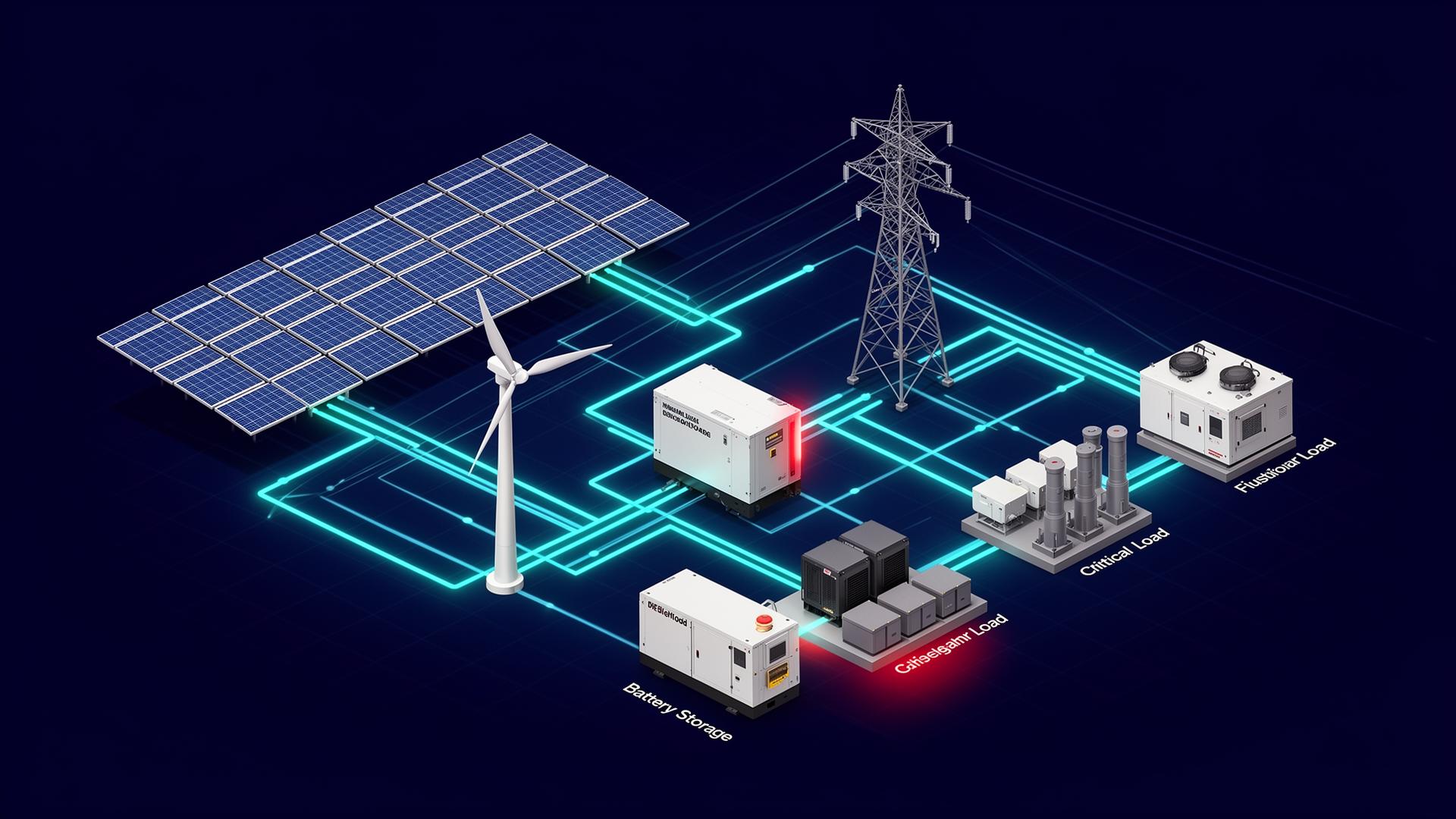
A Layered, Future-Ready Energy Architecture
Designed to be understandable for plant heads, utility managers, and engineering teams — and credible for CXO and IT review.
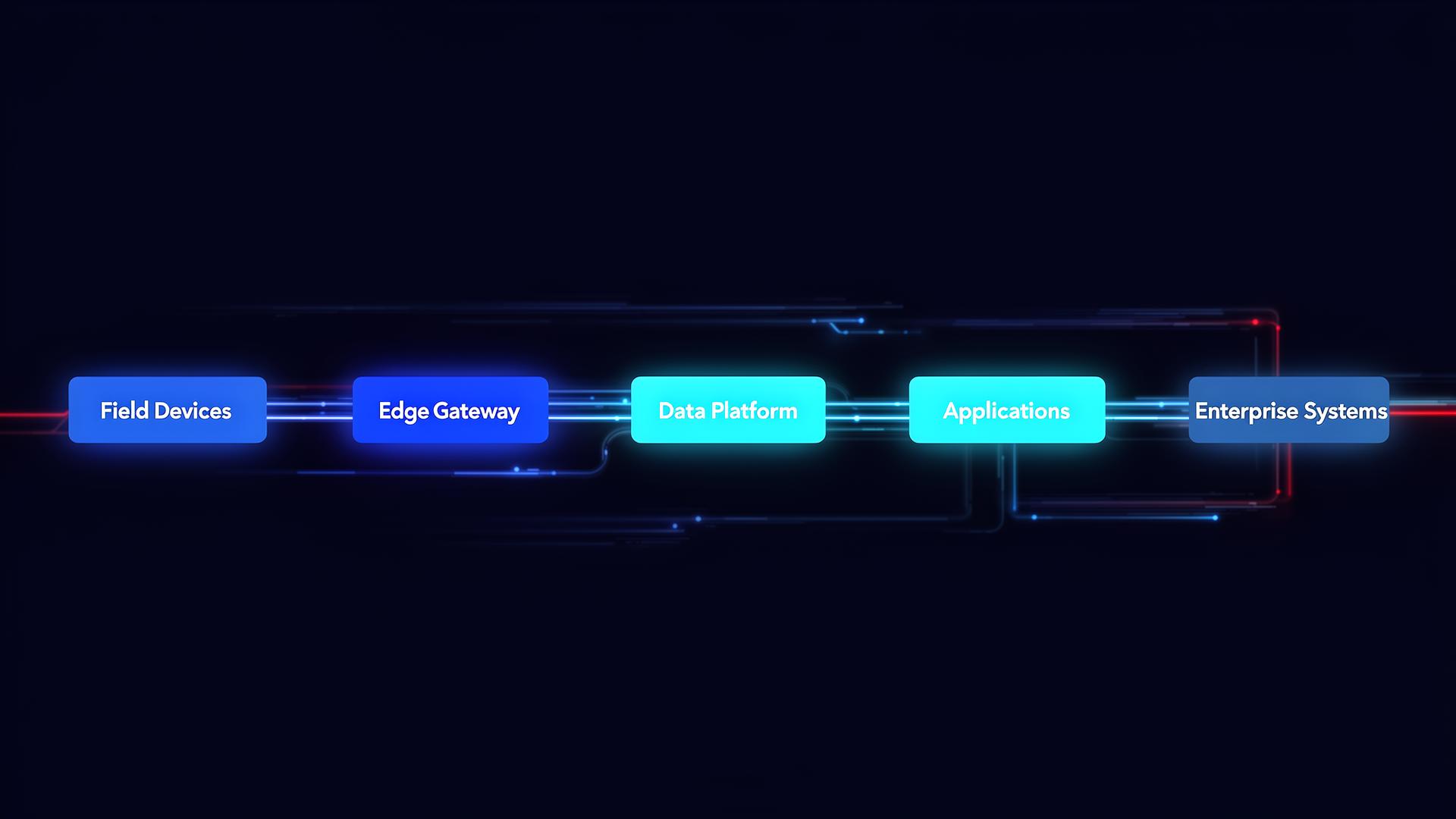
Field & Electrical Assets
Energy meters, power analyzers, feeders, substations, solar inverters, DG sets, UPS, HVAC, compressors, pumps, battery systems, PLCs, RTUs.
Connectivity & Edge
Edge gateway, PLC/RTU integration, protocol conversion, local buffering, secure data transfer, wireless connectivity, LoRaWAN / NB-IoT / GSM / Ethernet.
Energy Data Platform
Data validation, historian, event processing, alarm logic, energy calculations, analytics engine, reporting engine.
Applications
Dashboards, energy reports, demand monitoring, power quality, utility optimization, sustainability reports, billing, maintenance workflow.
Enterprise Integration
ERP, SAP, CMMS, ESG reporting, billing systems, data lake, command control centre.
Deployment can be on-premises, cloud, or hybrid — selected based on cybersecurity posture, scale, and long-term ownership model.
Relevant TAS Experience
TAS has delivered automation, telemetry, remote monitoring, solar monitoring, SLDC integration, energy monitoring, and IoT data management solutions across industrial and utility environments.
Solar Plant Monitoring
Monitoring and management solutions for solar power plants from 5 MW to 65 MW.
24 MW Solar Monitoring & Maintenance Support
Energy monitoring and control implementation for solar plant operations including maintenance visibility.
SLDC Integration
132/33 kV SLDC integration using TAS telemetry gateway and platform architecture.
Renewable Energy Operations
Integrated power management covering monitoring, maintenance, service, warranty, and energy development support.
Smart Infrastructure
Electricity management as part of smart city and township operational systems.
Hybrid Microgrid Services
IoT meter data collection, encrypted device development, cloud / central data management, CMMS, LoRaWAN, and remote helpdesk services.
Business Outcomes Delivered
TAS supports operational and financial improvement through visibility, accountability, and engineering-led implementation.
Lower energy wastage through visibility and accountability.
Faster detection of abnormal consumption and utility inefficiency.
Reduced demand penalties through demand monitoring and alerts.
Improved power quality awareness and feeder-level diagnostics.
Better renewable energy performance tracking.
Automated management reporting and audit-ready energy data.
Improved sustainability and ESG reporting readiness.
Better maintenance planning for energy-intensive assets.
Common operating view for plant, utility, maintenance, and management teams.
Implementation Model
A practical, milestone-based engagement that goes from site audit to continuous optimization.
Site Energy Audit & Data Mapping
Meter list, electrical network, utility systems, source/load mapping, reporting requirements.
Connectivity & Integration
Protocol integration, edge gateway deployment, meter communication, data validation.
Dashboard & KPI Configuration
Energy hierarchy, KPI calculations, dashboard design, alarm limits, reports.
Analytics & Workflow Enablement
Demand alerts, exception detection, utility performance analysis, maintenance linkage.
Continuous Optimization
Monthly review, KPI benchmarking, savings opportunities, operational improvement roadmap.
Technology-Agnostic, Project-Fit Architecture
TAS can deploy energy management solutions using its own industrial software stack, customer-preferred platforms, OEM systems, cloud services, or on-premise architectures. The implementation is selected based on project scale, cybersecurity requirements, reporting needs, integration scope, and long-term ownership model.
Ready to Convert Energy Data into Operational Savings?
Whether the requirement is a single plant energy dashboard, a renewable energy monitoring system, a campus-wide energy management platform, or a hybrid microgrid data management solution, TAS can help design and implement a practical architecture from field devices to enterprise reporting.