Digitalization of Turbine Parts Manufacturing Facility
Connecting 50+ precision machines at a multi-modal OEM facility — from isolated hardware to a unified predictive analytics ecosystem on GE PREDIX.
Overview
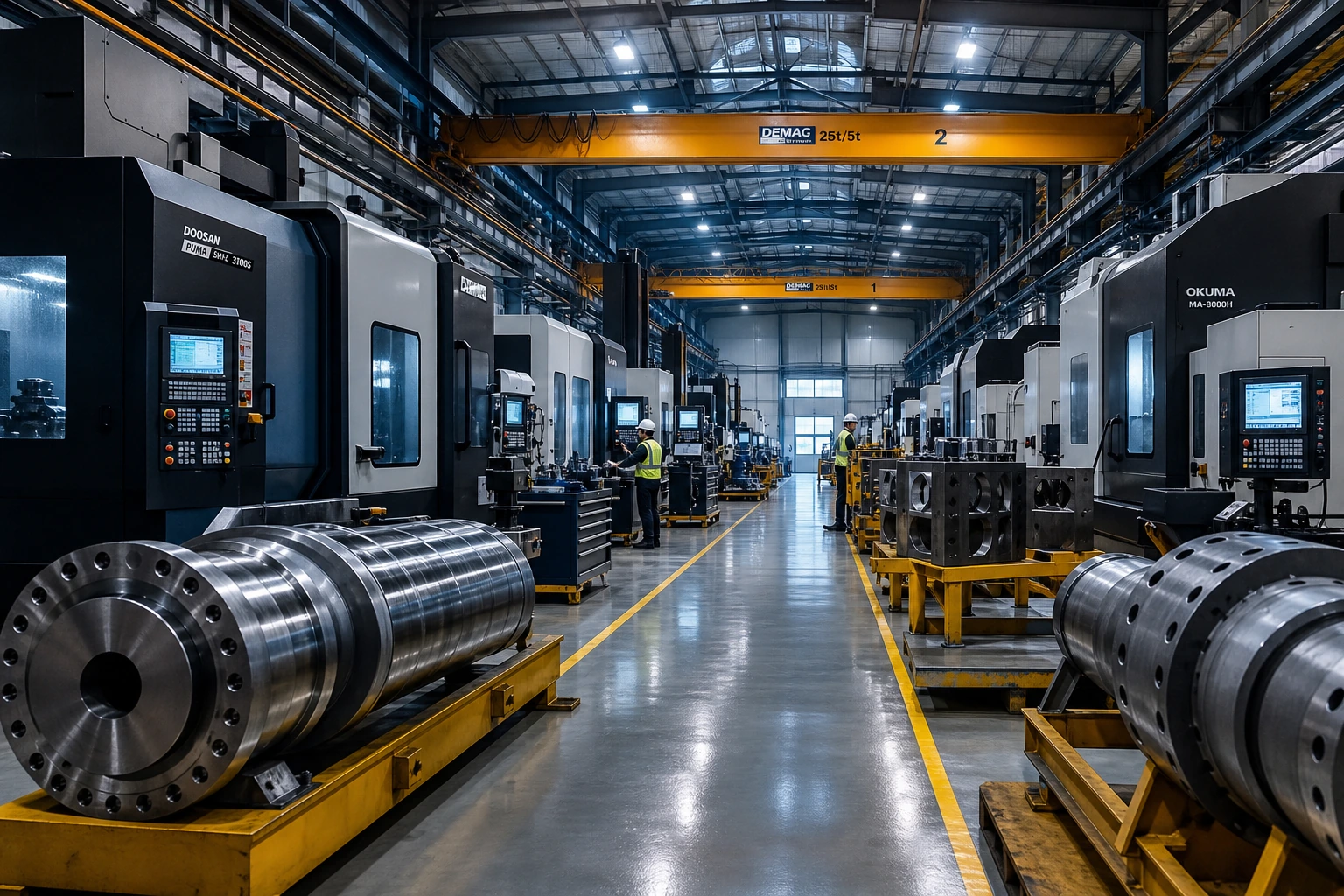
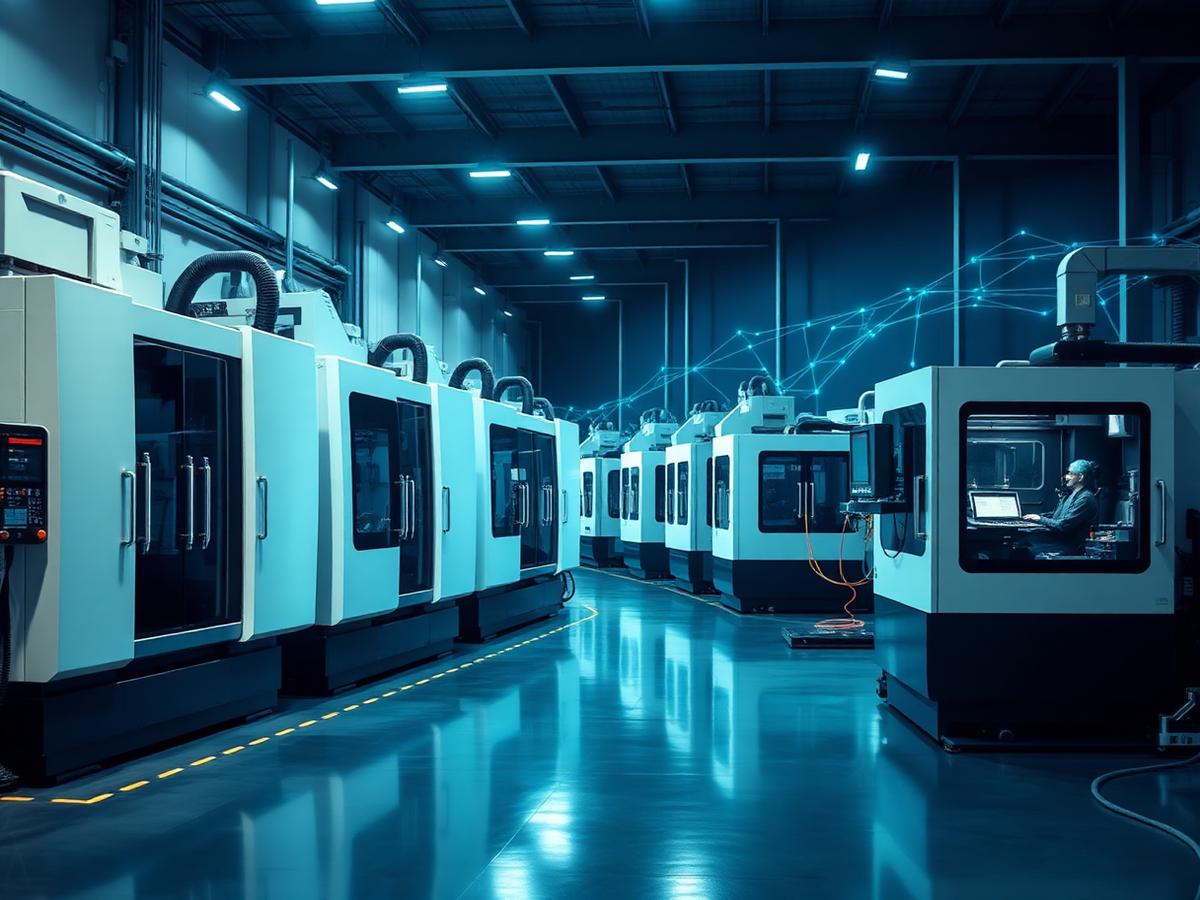
A leading OEM was setting up a large-scale flexible “multi-modal” manufacturing facility on the outskirts of Pune — producing different turbine components for multiple businesses under one roof, sharing equipment, infrastructure and manpower. While equipped with modern machinery, enabling predictive analysis required machine-specific sensors to understand individual machine behavior. TAS India applied its field instrumentation and digital connectivity expertise to instrument every machine and connect it to the analytics platform.
The vision was a “Brilliant Factory” — where every machine is connected for real-time information sharing, ensuring product quality, production continuity and complete digital interlinking across manufacturing, quality management, supply chain and distribution.
Manufacturing Highlights
Challenge
Unplanned Machine Downtime in a Global Supply Chain
The Pune plant was a critical supplier of turbine components to manufacturing facilities across the globe. Any machine stoppage directly disrupted international supply chains. Understanding individual machine behavior for predictive maintenance was not optional — it was a business necessity.
The facility had approximately 50–60 special-purpose machines, each highly specific and different from the others. While the plant was equipped with modern automation and IoT/IT infrastructure, the predictive analytics layer required additional, machine-specific sensors. The core challenge was to instrument all machines, collect sensor and machine data, and feed it to a cloud-based predictive analytics platform — with minimum production shutdown during installation.
Approach
TAS India studied each of the 50–60 machines individually, mapping the specific parameters needed for predictive maintenance per machine type. This was followed by sensor selection, installation planning and a pre-simulation of the full process before actual shutdown — to eliminate risks and minimize downtime.
Solution Architecture
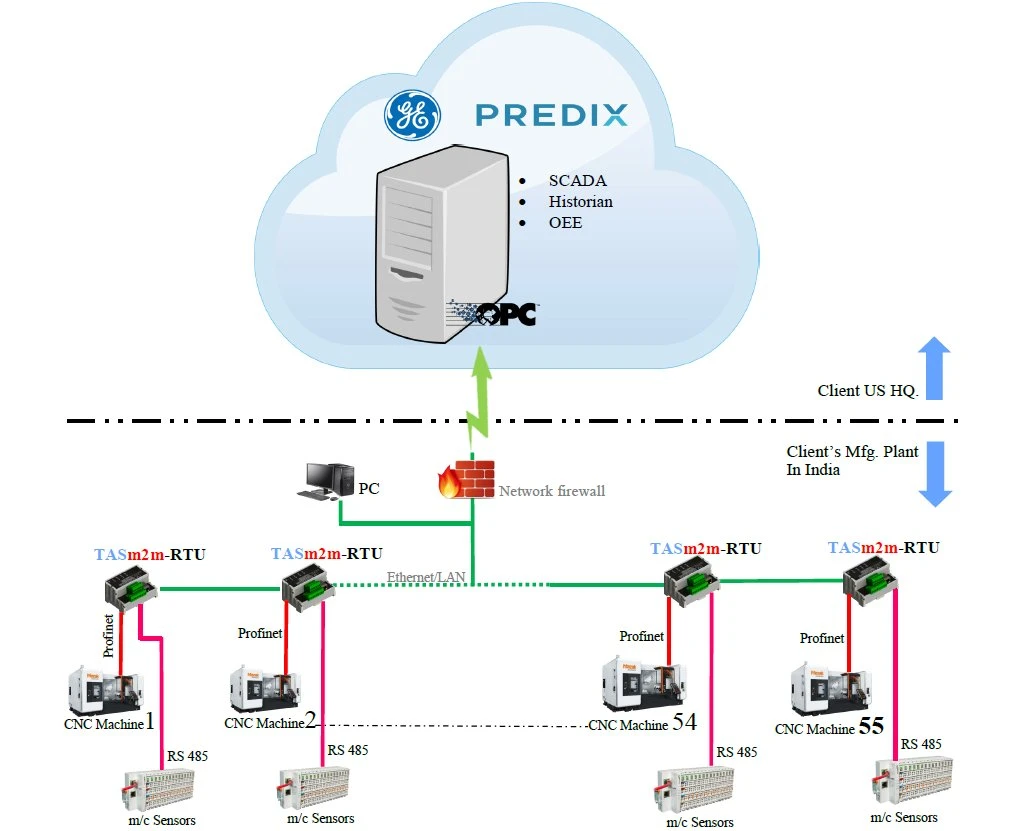
System Architecture: TASm2m RTUs on each machine → OPC Server → GE PREDIX cloud for predictive analytics, SCADA and OEE.
Key Implementation Steps
Every machine was assessed for sensor installability and appropriate sensors were selected. Each machine received its own TASm2m-RTU to collect sensor data, connected to the plant’s existing IT network via Ethernet/LAN. The OPC server aggregated data and fed it to the GE PREDIX IoT platform for predictive analytics. To ensure zero production disruption, TAS India simulated the complete installation process before any actual machine shutdown.
Key Achievements
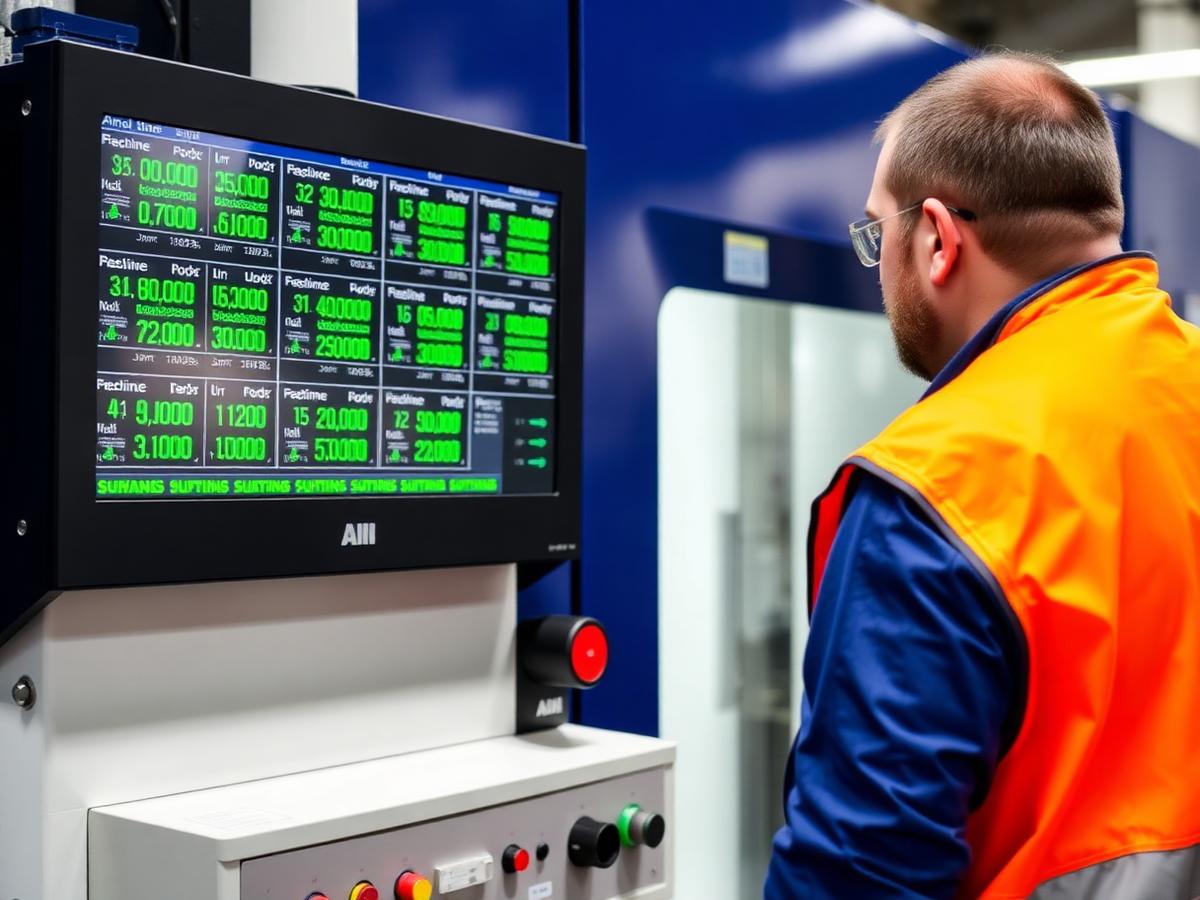
Every machine on the production floor was connected to the analytics server within the stipulated 3-month timeline with minimum shutdown. The system now provides machine production data and machine behavior data to the predictive analytics engine, enabling early warning of machine health issues before failures occur.
Benefits Delivered
- ✓Connected Machines — all 50–60 special-purpose machines instrumented and connected to a unified analytics platform, providing real-time production and behavior data.
- ✓Predictive Maintenance Enabled — machine-specific sensor data feeds predictive analytics algorithms, generating early warnings to maintenance staff before failures occur.
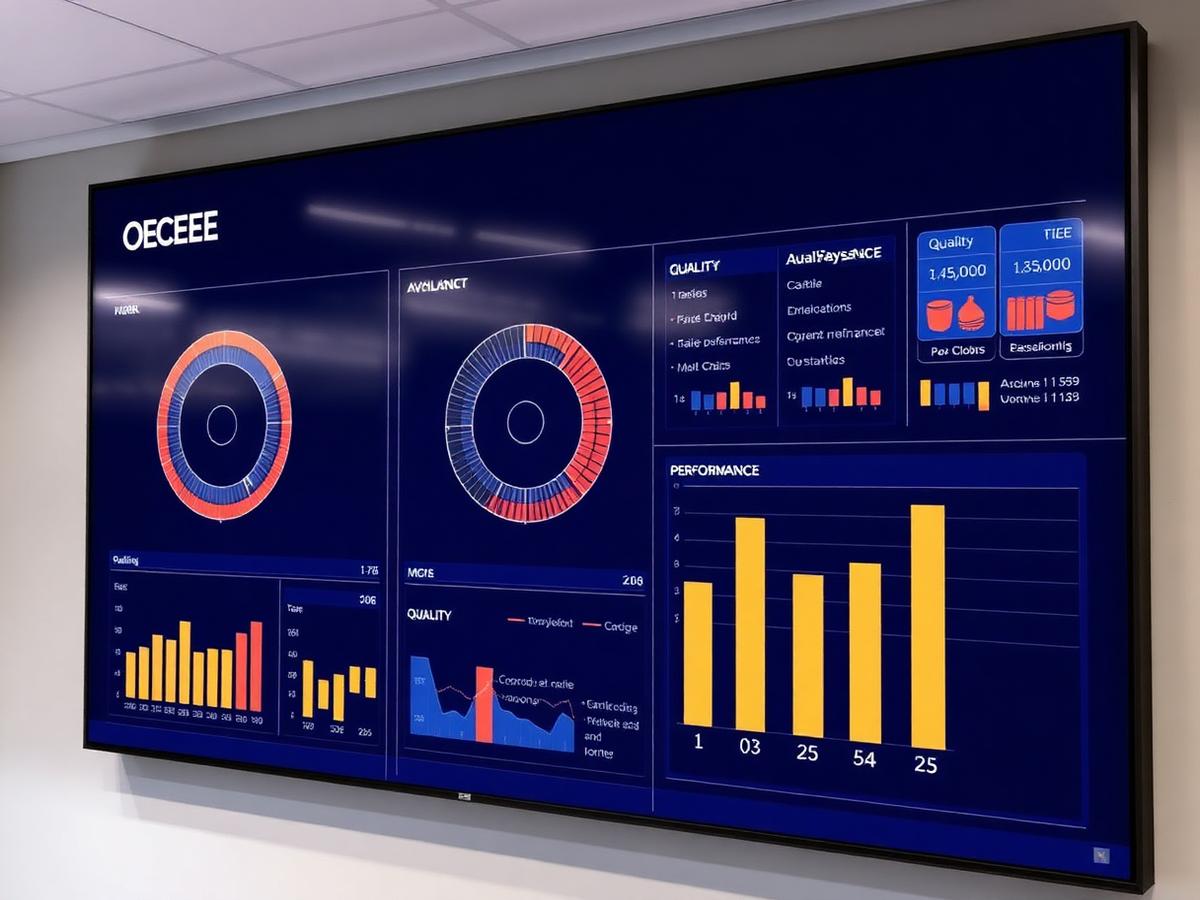
- ✓Improved OEE — real-time equipment uptime/downtime tracking and OEE metrics from the analytics server, enabling proactive performance optimization.
- ✓Supply Chain Continuity — predictive warnings and minimized unplanned downtime directly protect the global supply chain that depends on this facility.
- ✓Minimum Shutdown During Deployment — full pre-simulation of sensor installation eliminated risks, ensuring production was not disrupted during the 3-month rollout.
- ✓Scalable Digital Foundation — the Brilliant Factory architecture now supports incremental extension to quality, supply chain, distribution and servicing modules.
By instrumenting every machine and feeding a unified analytics platform, the factory moves from reactive repair to evidence-based prediction — protecting both production and the global supply chain that depends on it.— Based on TAS India’s Brilliant Factory Implementation Philosophy
Outcome
This project demonstrates how a world-class manufacturing facility, already equipped with automation and IoT infrastructure, can be elevated to true Industry 4.0 maturity through targeted sensor instrumentation and data connectivity. By solving machine-level predictive maintenance for a 50–60 machine floor within 3 months, TAS India built the digital backbone for an intelligent, self-monitoring Brilliant Factory — protecting a critical global supply chain from the ground up.
Bring predictive intelligence to your factory floor
From single-machine sensor retrofit to full Brilliant Factory connectivity — TAS India delivers it end to end.